
Introduction
What are 10 ways to manage anxiety? If you’re asking this, you’re not alone. Anxiety can feel overwhelming—like your mind won’t stop racing, your chest feels heavy, and even small things become stressful.
The good news? You can manage it.
In this guide, you’ll learn 10 simple and practical ways to manage anxiety, even if it feels out of control right now. These techniques are easy to follow, backed by psychology, and can help you feel calmer step by step.
Table of Contents
- What Are 10 Ways to Manage Anxiety?
- Why Anxiety Happens
- 10 Proven Ways to Manage Anxiety
- Daily Habits to Reduce Anxiety
- FAQs
- Conclusion
Why Anxiety Happens
Before we talk about solutions, it’s important to understand this:
Anxiety is your brain trying to protect you.
It reacts to stress, fear, or uncertainty. But sometimes, it overreacts—even when there’s no real danger.
That’s why learning what are 10 ways to manage anxiety becomes so important—it helps you take back control.
What Are 10 Ways to Manage Anxiety?
Here are 10 powerful and simple ways you can start using today:
1. Focus on Your Breathing

When anxiety hits, your breathing becomes fast and shallow.
Try this:
- Inhale for 4 seconds
- Hold for 4 seconds
- Exhale for 6 seconds
This calms your nervous system instantly.
2. Stop Overthinking with Awareness
Most anxiety comes from “what if” thoughts.
Ask yourself:
👉 Is this real or just my mind imagining things?
This simple question brings you back to reality.
3. Limit Negative Triggers
Reduce exposure to:
- Negative news
- Social media comparison
- Toxic conversations
Your mind absorbs what you consume.
4. Move Your Body Daily
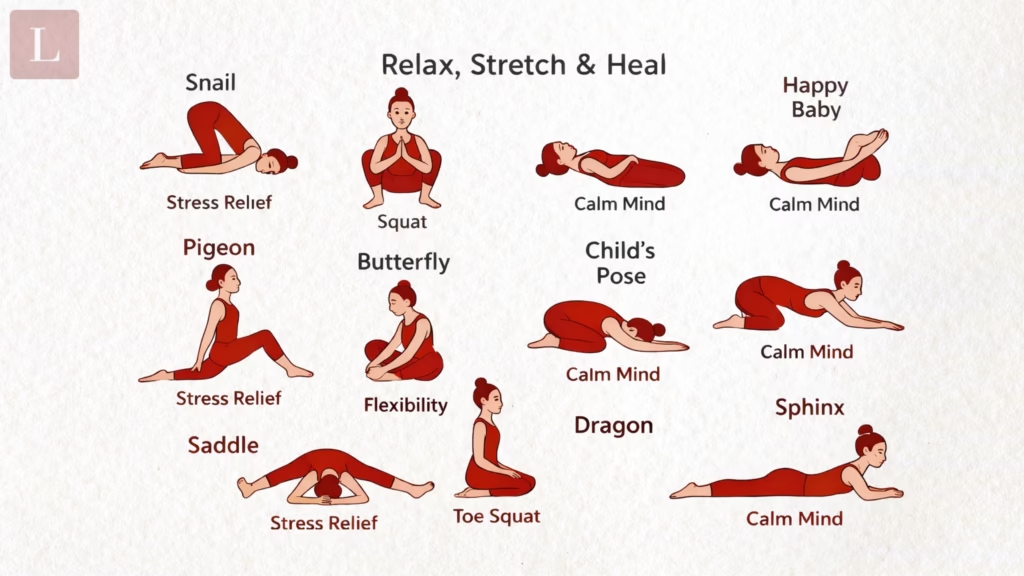
Exercise is one of the best natural anxiety reducers.
Even:
- A 20-minute walk
- Light stretching
- Dancing
…can significantly improve your mood.
5. Write Down Your Thoughts
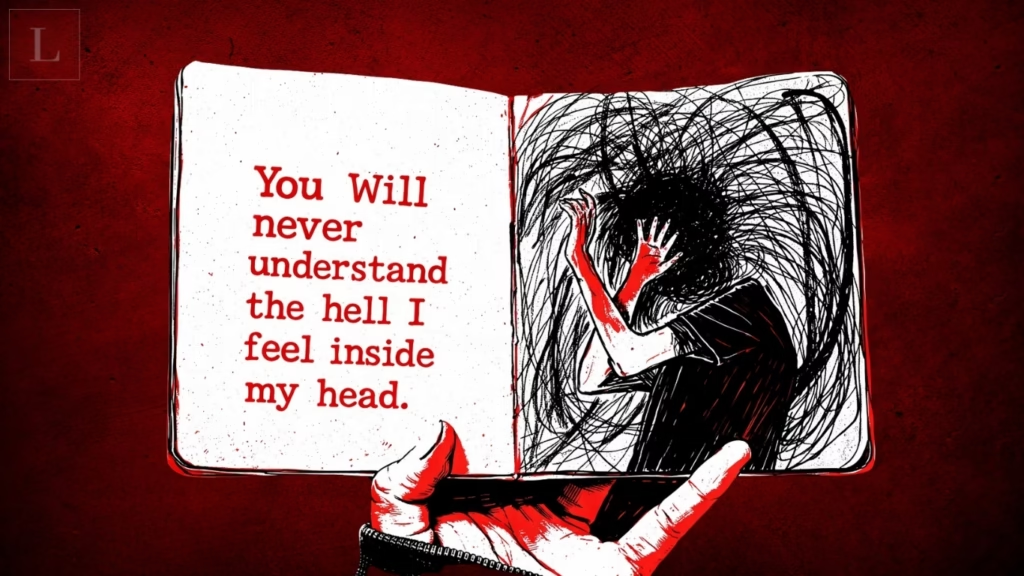
Journaling helps you release mental pressure.
Write:
- What you’re feeling
- What’s bothering you
It clears your mind and reduces emotional overload.
6. Practice Mindfulness

Mindfulness means staying in the present moment.
Try:
- Focusing on your surroundings
- Listening to sounds
- Feeling your breath
This stops your mind from racing into the future.
7. Get Enough Sleep

Lack of sleep increases anxiety.
Aim for:
- 7–8 hours of sleep
- Fixed sleep schedule
A well-rested brain handles stress better.
8. Talk to Someone You Trust
Don’t keep everything inside.
Talking to:
- A friend
- Family member
- Therapist
…can instantly reduce emotional pressure.
9. Reduce Caffeine and Sugar
Too much caffeine can increase anxiety symptoms like:
- Heart racing
- Restlessness
- Nervousness
Try replacing coffee with herbal tea.
10. Accept What You Can’t Control
This is the most powerful step.
👉 You don’t have to control everything.
Let go of:
- future worries
- uncertain outcomes
Peace comes from acceptance.
Daily Habits to Reduce Anxiety
If you really want results, build these habits:
- Morning breathing exercise
- Daily movement (walk/exercise)
- Limited screen time
- Positive self-talk
- Gratitude journaling
Consistency is key.
Internal Linking Suggestions
- [relationship communication tips]
- [how to stop overthinking]
- [emotional intelligence in relationships]
FAQs
1. What are the fastest ways to manage anxiety?
Deep breathing, grounding techniques, and stepping away from stress triggers can help instantly.
2. Can anxiety go away completely?
Anxiety may not fully disappear, but it can be managed effectively with the right habits.
3. What are 10 ways to manage anxiety naturally?
Breathing, exercise, sleep, mindfulness, journaling, and reducing caffeine are natural ways.
4. Why does anxiety feel worse at night?
At night, there are fewer distractions, so your mind focuses more on thoughts and worries.
5. How do I stop overthinking and anxiety?
Focus on the present, limit “what if” thinking, and practice mindfulness daily.
Conclusion
Understanding what are 10 ways to manage anxiety is the first step toward feeling better.
You don’t need to fix everything at once. Start small:
- Take a deep breath
- Move your body
- Let go of control
👉 Anxiety becomes easier to manage when you take it one step at a time.
If this helped you, share it with someone who might need it—or start applying one tip today.